
We are here for you!

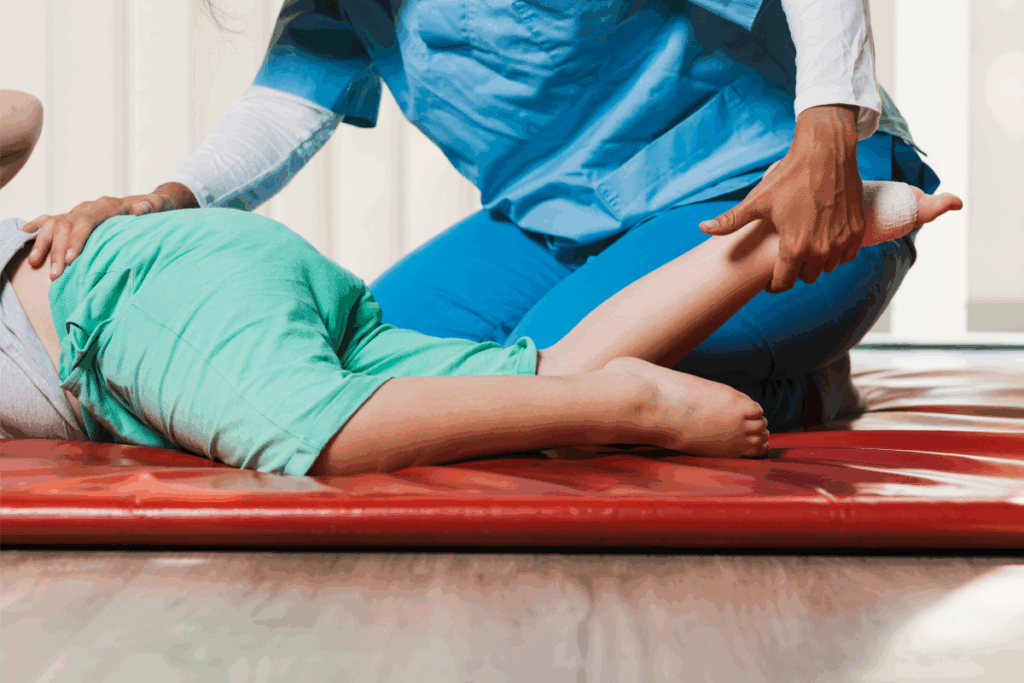
Children play with passion and don’t like being sidelined. Our team of doctors specializing in sports medicine, physiotherapists, and athletic trainers work with children of all ages to minimize the risk of injuries and the time away from sports.

Some of the most common conditions observed in children and adolescents are summarized below. Each of these requires an accurate diagnosis and personalized treatment by a specialized pediatric orthopedic doctor.
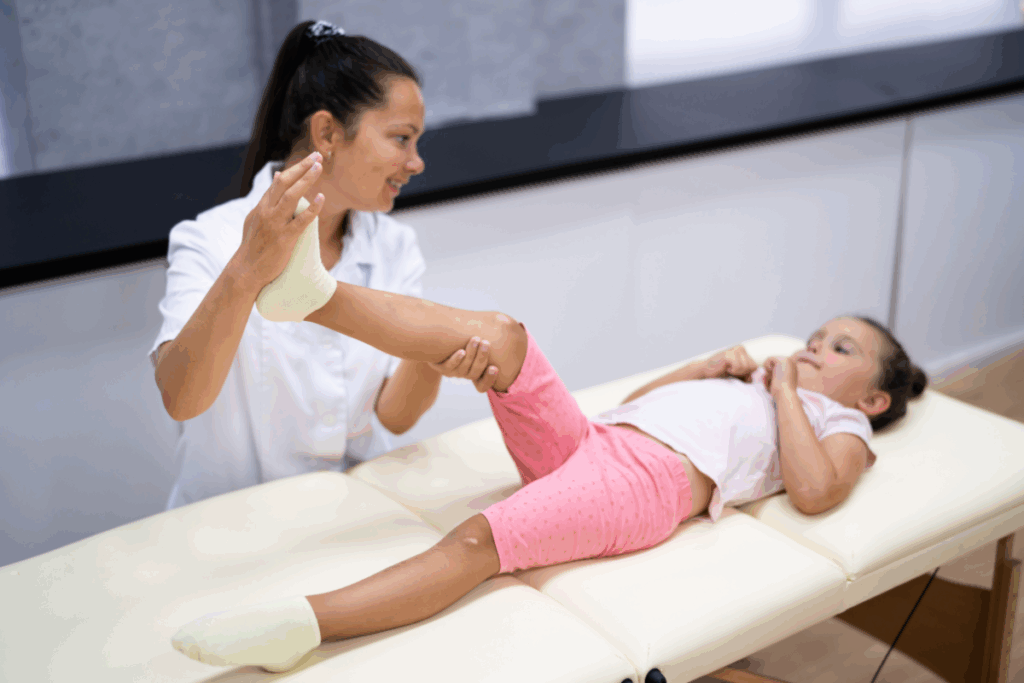
Pediatric Fractures

What is a Fracture ?

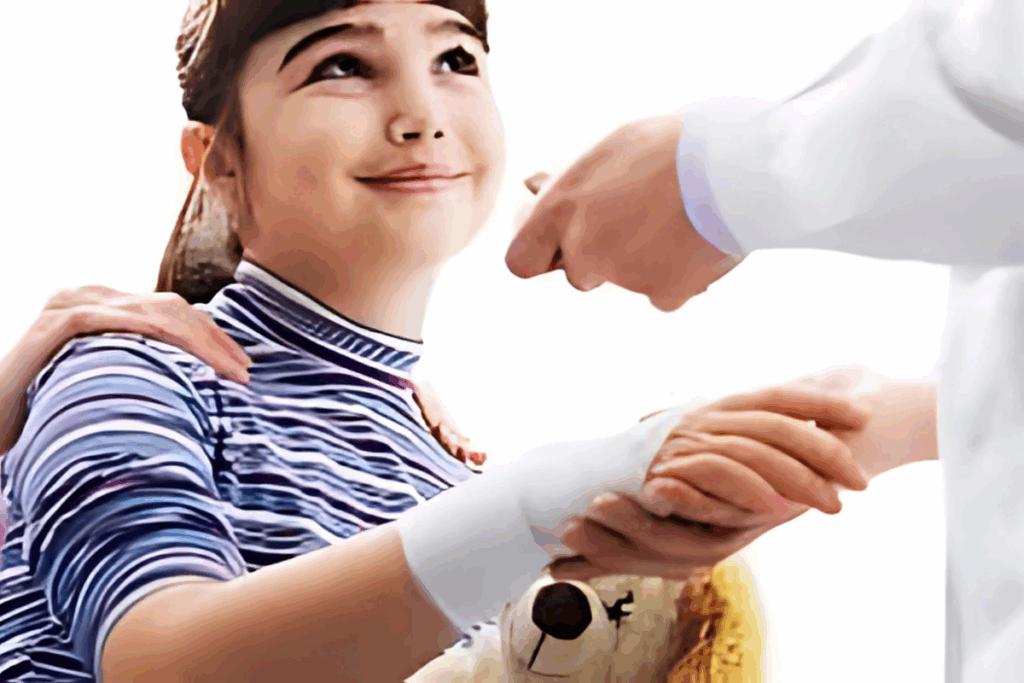
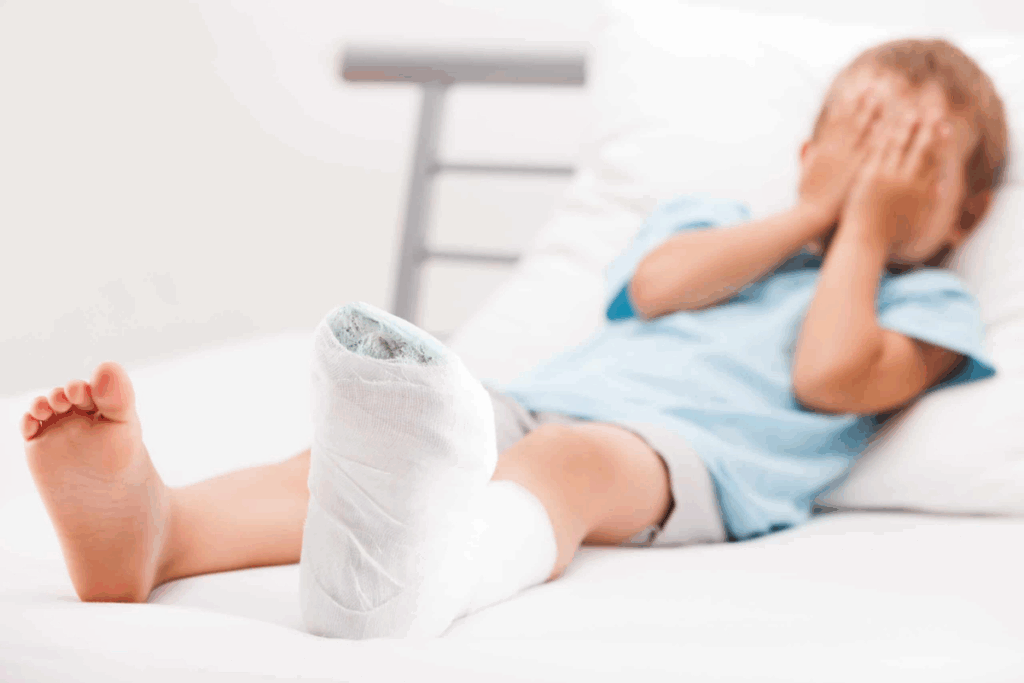
When more pressure is applied to a bone than it can withstand, the bone can crack or break. Regardless of the extent of the damage, it is considered a fracture. There are various types of fractures. They are not always visible, so an X-ray is required for proper diagnosis and treatment. If left untreated, the bone may heal incorrectly, leading to more complex problems in the future.

Why choose us for your child’s treatment?

Our specialization in children and adolescents allows us to consider your child’s future growth when designing treatment. Our goal is for them to return to sports stronger and safer.

Torn Ligament

What is a torn ligament ? Ligaments are connective tissues that connect bones to each other. They can be damaged either by stretching (sprain) or complete tearing. When a ligament has been sprained or torn, your child is at a higher risk for future injuries.

Overuse Injuries, Including Sprains and Strains

What are overuse injuries ?

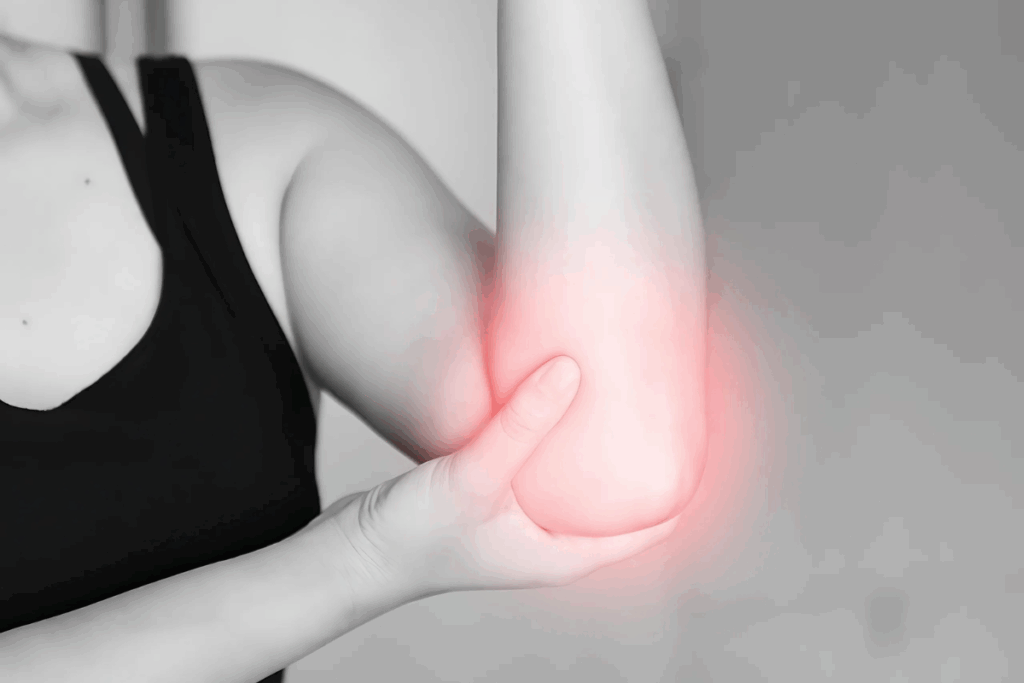
Overuse injuries are injuries to muscles or joints caused by repeated microtrauma. They often occur in sports that involve overhead movements, such as tennis, volleyball, and baseball. They can also affect the legs and feet in sports like running. Most of the time, these injuries require more than just rest to heal properly.

Ankle Sprains and Instability

What is an ankle sprain?
An ankle sprain refers to an injury of the ligaments surrounding the
ankle. It can be as severe as a ligament tear, but often it is simply a stretching of the ligaments, which still causes balance problems and instability. The most common injury mechanism is ankle inversion (rolling inward), which leads to stretching or tearing of the ligaments. After such an injury, physical therapy is often required to strengthen the joint’s power and stability.

Growth Plate Injuries

What are growth plate injuries ? Growth plates are areas of developing cartilage located near the ends of long bones, such as the femur, in children and adolescents. These plates allow the child to grow taller. While the plates are active or “open,” the child continues to grow. Once growth is complete, the plates “close” and are replaced by solid bone. The cartilage of the growth plate is weaker than normal bone, making it more susceptible to injuries such as fractures. In some cases, a fracture of the growth plate can cause permanent damage, leading to abnormal bone growth. This may result in a difference in length or shape of the bone on the injured side, causing deformity or a crooked arm or leg.


Joint Dislocations (Elbow, Shoulder, Patella, Knee)

What are joint dislocations ?

A dislocation is a painful injury to a joint in which the ends of the bones move out of their normal position. Dislocations can occur in any joint, but some areas are more prone, such as the shoulder, elbow, patella, and knee. There are two types of dislocations:

  • Complete dislocation, where assistance is required to return the bone to its proper position.
  • Subluxation, where the joint shifts temporarily but returns to its normal position on its own.

When a dislocation occurs, the soft tissues around the joint (ligaments, tendons) are injured, often with tearing or stretching. Proper management is crucial to reduce the risk of reinjury.

Anterior Cruciate Ligament (ACL) Tear

What is an ACL tear ? The anterior cruciate ligament (ACL) is a key structure in the knee that provides stability. It originates from the back of the femur and attaches to the front of the tibia. The ACL prevents the tibia from sliding forward or rotating excessively. It is important for movements that require sudden changes in direction and twisting—common in many sports. The ACL can be stretched, partially torn, or completely torn. If this happens to your child, there is an increased risk of further injuries due to instability.

Overtraining and "Burnout"

What is burnout ? Overtraining occurs when an athlete trains for an excessively long period or at very high intensity without adequate recovery time. Gradually, this leads to a decline in performance—both physically and mentally. Your child is at increased risk if they continue to push for high performance without gradually building strength or speed.


Osteochondritis

What is osteochondritis ?

Every joint in the body contains cartilage, which helps ensure smooth movement and protects the bones. Osteochondritis occurs when blood flow to the cartilage or underlying bone is interrupted, causing the bone to soften. If left untreated, it can lead to the detachment of a piece of bone and cartilage within the joint, causing more severe damage and, in the long term, even arthritis.

Osteochondritis most commonly occurs in the knee, ankle, and elbow.

Throwing Injuries (Shoulder – Elbow)

What are throwing injuries?
Throwing injuries are injuries that affect the shoulder and/or elbow and include:

  • Tendonitis
  • Shoulder Instability
  • Bursitis
  • Ligament Injuries

These injuries are mainly seen in athletes participating in baseball, volleyball, tennis, and water polo. Proper technique and adequate recovery time are crucial for their prevention.

Back Pain in Children

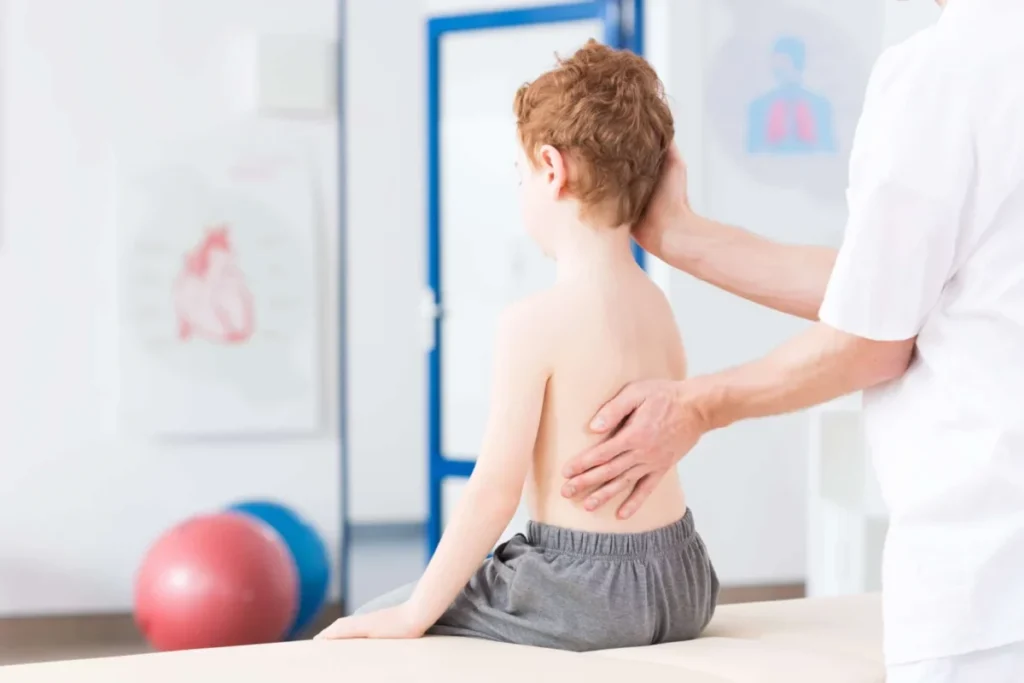
Many children who visit our clinic suffer from severe pain, often due to injury, but also from spinal conditions such as scoliosis, deformities, tumors, connective tissue disorders, spina bifida, or tethered spinal cord syndrome. Pain can also occur after spinal surgery and may last for weeks or months. Scoliosis Scoliosis is a condition in which a child’s spine curves sideways, forming an S- or C-shaped curve instead of a straight line.
ponos-isxio

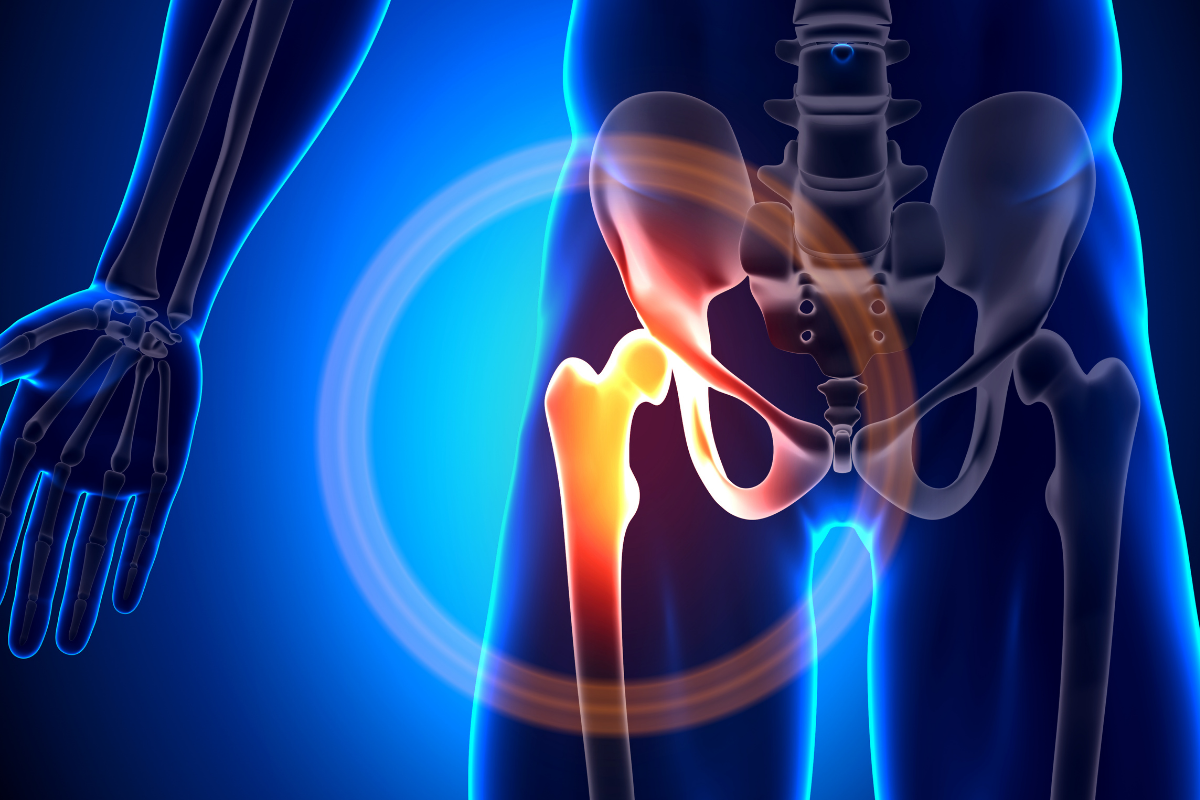
Hip Synovitis in Children

What is hip synovitis ?

Synovitis is a temporary inflammation of the hip joint that causes pain and limping in children. It is benign and resolves on its own.

Which children are affected?

  • Children 3 to 10 years old
  • Boys are affected more frequently.
  • Often following a viral infection (e.g., flu, pharyngitis)

What are the symptoms

  • Pain in the hip, thigh, or knee
  • Limping – the child avoids putting weight on the leg
  • Difficulty walking or climbing stairs
  • Mild fever (sometimes)

Otherwise, the child appears well and is in a normal mood.

Specialized care, personalized solutions.

We look forward to seeing you! Book your appointment today!